Kerala Tourism & Travel Guide | Best Places, Food & How to Reach
by TalesOfTheRoad
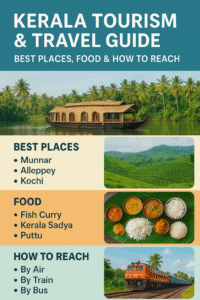
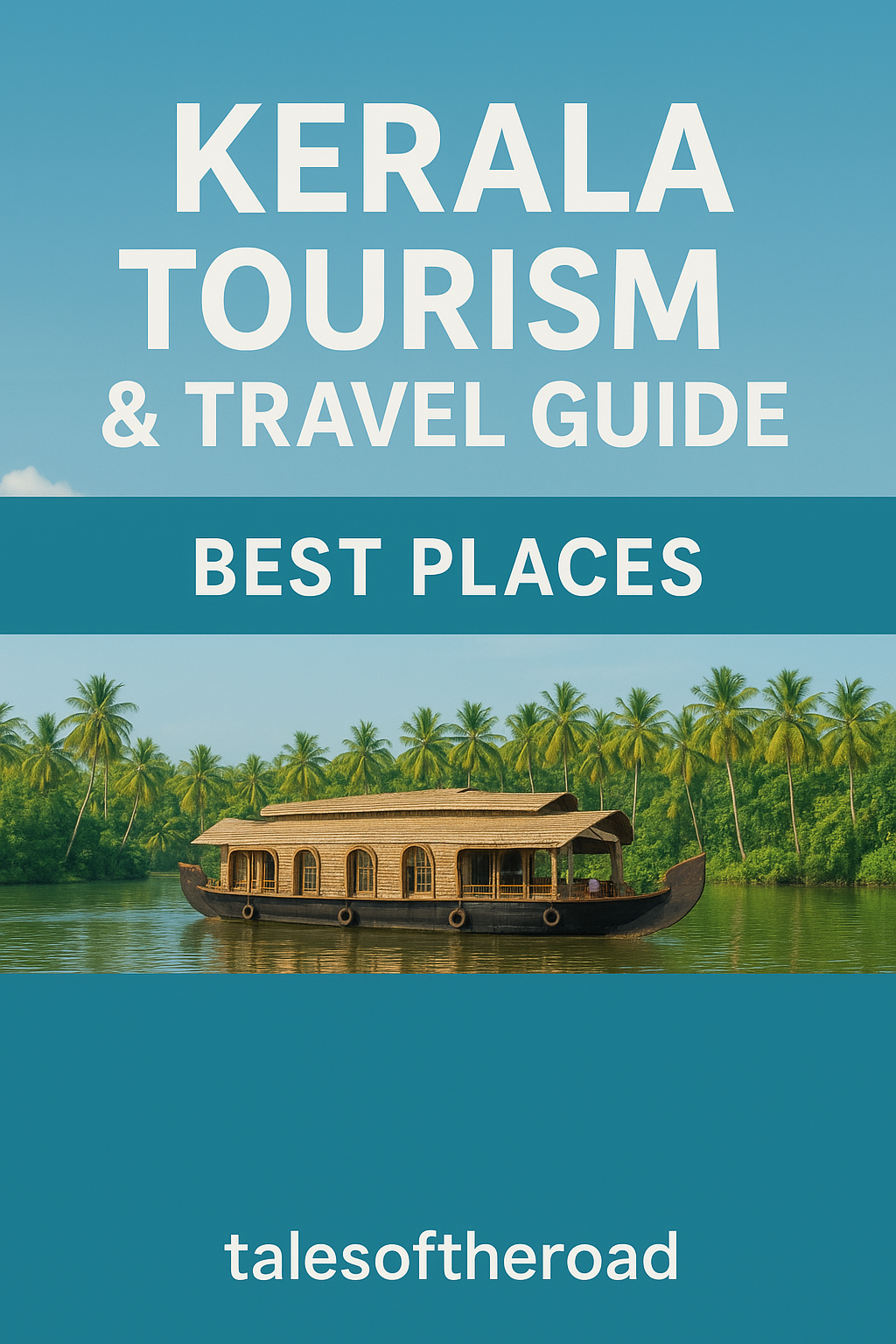
Kerala is often called “God’s Own Country” — a verdant realm of backwaters, hills, spice gardens, beaches, and a gentle coastal culture where time slows down. Over the years, as I’ve wandered through its silent canals and misty hills, I’ve grown to see Kerala not just as a destination, but as a collection of stories waiting to be told. In this TalesOfTheRoad guide, I’ll walk you through everything you need to know for exploring Kerala: the best places to visit, what to eat, how to get around, tips from my own journeys, and how to make your trip uniquely yours.
Why Kerala?
Kerala offers a rare combination: tropical nature, hill stations, rivers and backwaters, an ancient culture, Ayurvedic traditions, and a vibrant yet calm pace of life. Whether you want to float in a houseboat, sip tea in the high ranges, or lounge on a quiet beach, Kerala gives you the choice. It’s ideal for:
-
Nature lovers
-
Slow travel seekers
-
Food enthusiasts
-
Wellness and Ayurveda travelers
-
Culture and heritage buffs
Over the years, Kerala’s tourism infrastructure has improved significantly. While offbeat areas still require a sense of adventure, many core regions are traveler‑friendly with guided tours, homestays, and organized transport.
Best Time to Visit
Choosing the time of year makes a big difference in Kerala. Here’s a quick seasonal breakdown:
| Season | Features & Pros | Cautions / Tips |
|---|---|---|
| October – February | Pleasant weather, good for hill stations and beaches, festival season (Onam, Christmas) | Book in advance around festival time |
| March – May | Warm, fewer tourists, floral bloom in hills | Coastal heat can get intense |
| June – September (Monsoon / Off-season) | Lush greenery, fewer crowds, better deals, Ayurveda treatments are considered effective in monsoon | Heavy rains in some regions, landslides possible in hills, transport delays possible |
Many locals and travel writers argue that monsoon is the most magical time to visit Kerala — the rains rejuvenate rivers, waterfalls roar, the greenery is vivid, and you’ll find better rates for lodging. The Times of India
But for a first trip, the October–February window is often safest and most comfortable.
How to Reach & Getting Around
By Air
Kerala has three international airports:
-
Cochin International Airport (COK) — the busiest and most connected, in the Ernakulam/Kochi region
-
Trivandrum International Airport (TRV) — for the southern region
-
Kozhikode International Airport (CCJ) (also sometimes called Calicut Airport) — for northern Kerala
Many domestic and international flights connect here. From the airport you can hire cabs, use app-based taxis, or arrange private transfers to reach your destinations.
By Train
Kerala has a dense railway network connecting major cities and towns. Some scenic train routes traverse hill and coastal terrain. Trains are a good option for budget and local travel. Use Indian Railways websites or apps to book in advance.
By Road
Road travel is often essential in Kerala. The state has a network of national highways, state highways, and local roads. Options include:
-
Private taxis / car rentals — convenient and flexible
-
State-run buses (KSRTC and private operators) — economical, widespread
-
Self‑drive / bike rentals — increasingly available, especially in tourist hubs
If you’re traveling between hill stations or through narrow roads, hiring a local driver familiar with the terrain is safer and often worth the cost.
By Boat / Ferry / Waterways
Through Kerala’s intricate backwater network, ferries and local boats are not just scenic—they’re practical for daily transport between islands, canals, and river villages. In many places, the Kerala State Water Transport Department runs ferry services. Wikipedia
Houseboats (kettuvallams) ply the backwaters with overnight cruises, connecting places like Alleppey, Kumarakom, and Kuttanad. Wikipedia
Best Travel Route Strategy (Sample Entry to Itinerary Flow)
A typical itinerary might look like:
-
Arrive in Cochin
-
Head to Munnar / Wayanad (hills)
-
Explore the backwaters — Alleppey / Kumarakom
-
Coastal stretch — Varkala / Kovalam / beaches in the south
-
Depart from Trivandrum
But depending on which airport you arrive in (Cochin, Trivandrum, or Kozhikode), you can adapt this flow. The key is balancing hills, backwater, and coast — Kerala’s greatest charm is in contrast and transitions.
Best Places to Visit in Kerala
Here are the top destinations you shouldn’t miss — and a few hidden gems if you want to go off the beaten path.
Hills & Highlands
Munnar
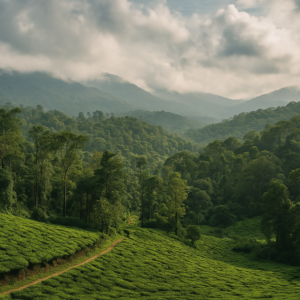
Nestled among rolling tea hills, Munnar is Kerala’s iconic hill station. It’s famous for:
-
Tea plantations and estates
-
Eravikulam National Park — home of the Nilgiri Tahr
-
Mattupetty Dam, Echo Point, Top Station — scenic viewpoints
-
Tea Museum — learn plantation history
To reach Munnar, you’ll typically drive from Kochi (3–4 hours). The winding roads and misty vistas make the journey as rewarding as the destination.
Wayanad
To the north, Wayanad offers:
-
Dense forests
-
Wildlife (elephants, tigers, reptiles)
-
Waterfalls, caves, spice gardens
-
Tribal villages and a gentle rural vibe
It’s accessible from Kozhikode or Mysore via road.
Thekkady / Periyar
Home to Periyar Wildlife Sanctuary, Thekkady is ideal for:
-
Boat safaris on Periyar Lake to spot elephants, deer, birds
-
Spice plantations tours
-
Cultural shows (Kathakali, martial arts)
-
Trekking and jungle walks
Use Phase routes through the scenic Cardamom hills to reach here.
Hidden Hills & Escapes
If you prefer tranquility over mainstream spots, consider:
-
Ponmudi — misty hills near Thiruvananthapuram
-
Nelliyampathy in Palakkad — plantations, colonial bungalows, pristine views
-
Ranipuram in northern Kerala — grasslands and forests with “Ooty vibes” The Times of India
-
Peerumedu and Malakkappara — secluded, forested, slightly off the grid The Times of India
Backwaters & Water Realms
Alleppey (Alappuzha)
Often called the “Venice of the East,” this is a must-do for backwater cruising. Stay in a houseboat, glide through narrow canals, and watch local life — fishermen, coconut trees, paddy fields — go by like a moving painting.
Kumarakom
A quieter alternative to Alleppey, this area is known for the Kumarakom Bird Sanctuary and calm canals, ideal for peaceful mornings and birdwatching.
Kollam & Ashtamudi
Kollam’s Ashtamudi Lake is a gateway to the backwaters, and its quieter waterways make it a great base for exploring. Local projects focus on floating gardens, electric boat launches, and sustainable development. Wikipedia
Kuttanad
Often called the “Rice Bowl of Kerala,” Kuttanad is a lush region of paddy fields that lies below sea level. Navigating this watery landscape feels like exploring a rural Venice.
Beaches & Coasts
Kovalam & Varkala
In the south near Thiruvananthapuram, Kovalam is a classic golden-sand beach, ideal for water sports and sunbathing. Varkala is famed for its cliffs, yoga retreats, and a slightly more bohemian vibe. The Times of India+1
Cherai Beach
Not far from Kochi (on Vypin Island), Cherai offers a combination of sea and backwater views, soft sands, and a more relaxed beach experience. Wikipedia
Thirumullavaram
Near Kollam, this beach is quieter and often overlooked, perfect for early morning walks and coastal immersion. Wikipedia
Snehatheeram (Love Shore)
Whispered about by local guides, Snehatheeram is a well-maintained coastal stretch in Thrissur that offers serenity and scenic walks. Wikipedia
Azheekal Beach
It lies in Kollam district, where the sea meets backwater canals — a peaceful spot to unwind. Wikipedia
Bekal Fort Beach
In the northern Malabar region, Bekal Fort overlooks a fortress by the sea — combining heritage, sunset views, and seaside calm.
Culture, Art & Unique Stops
-
Fort Kochi & Mattancherry: Walk past colonial architecture, Jewish Synagogue, spice markets, Chinese fishing nets, and street art.
-
Spice Plantations: Many in Thekkady, Wayanad, and central Kerala allow brief visits and tastings.
-
Ayurveda & Wellness Retreats: Kerala is renowned for authentic Ayurvedic therapies; many resorts and centers in Kovalam, Varkala, and the hills offer packages.
-
Local markets: The spice markets in Kochi and Kozhikode, handmade crafts in small villages, and fish markets along the coast.
-
Adventures: Trekking, kayaking, bamboo rafting, bamboo bridge crossings, village walks, and heritage trails are abundant.
-
Temples / Rituals / Festivals: Time your trip to catch local festivals like Onam, temple rituals, Theyyam in North Kerala, or boat races like Nehru Trophy (when available).
Kerala Food Guide: What to Eat & Where
Food in Kerala is a narrative in itself — fragrant, coconut-rich, spicy, seafood-forward, and deeply regional.
Culinary Staples & Must-Try Dishes
-
Puttu & Kadala Curry: Steamed rice flour cylinders layered with coconut, served with black chickpea (kadala) curry — a quintessential breakfast. globalcolorsofindia.in+1
-
Appam & Stew: Fermented rice pancakes served with mild vegetable or meat stews cooked in coconut milk. openmeans.com+1
-
Idiyappam (String Hoppers): Thin rice noodles, often with coconut-based curries.
-
Kerala Fish Curry / Chemmeen Curry: Seafood in a tangy, spicy coconut‑based sauce. globalcolorsofindia.in+1
-
Karimeen Pollichathu: Pearl spot fish marinated, wrapped in banana leaves and grilled.
-
Sadhya: A traditional vegetarian banquet served during festivals, laid on banana leaves, with dozens of small dishes.
-
Malabar Biryani / Thalassery Biryani: Aromatic biryanis from the northern Kerala / Malabar region.
-
Snacks & Street Food: Pazham Pori (banana fritters), Uzhunnu Vada (lentil donuts), banana chips, etc. holidaylandmark.com+2Zafigo+2
Regional & Local Highlights
-
Northern Kerala (Malabar cuisine): Heavy focus on coastal seafood, biryanis, spicy prep.
-
Central Kerala: Balanced between vegetarian and non-vegetarian food, many coconut-based gravies.
-
Southern Kerala: Richness, use of toddy (palm wine) in local cuisine (where permissible), creamy gravies, banana-based dishes.
Dining Tips & Safety
-
Prefer freshly cooked food and avoid raw salads from street vendors unless you’re confident about hygiene.
-
Use bottled / filtered water and avoid direct tap water. holidaylandmark.com+1
-
If your stomach is sensitive, choose restaurants well-reviewed or trusted by locals. Reddit travelers often advise caution with street food but praise Kerala for being relatively food-safe compared to other Indian regions. Reddit
-
Try local “thattukadas” (small food stalls) during idle afternoons — many hidden gems lie in side alleys.
Sample Kerala Itineraries (7–12 Days)
Here are a few curated itinerary ideas based on travel pace and interests. Feel free to adapt as TalesOfTheRoad style — slow, immersive, and flexible.
Itinerary A: Classic Kerala (8–10 Days)
| Day | Region / Destination | Highlights |
|---|---|---|
| 1 | Arrive in Kochi | Fort Kochi walking tour, spice markets |
| 2 | Munnar | Tea estates, Echo Point, sunset views |
| 3 | Munnar | Eravikulam NP, waterfalls, plantation walks |
| 4 | Thekkady / Periyar | Boat safari, spice trails, jungle walk |
| 5 | Alleppey / Kuttanad | Houseboat cruise, village canals |
| 6 | Kumarakom | Bird Sanctuary, backwater relaxation |
| 7 | Varkala / Kovalam | Beach time, yoga, Ayurvedic spa |
| 8 | Trivandrum | City temples, departure or extra beach day |
Itinerary B: Northern & Offbeat (10–12 Days)
Start in Kozhikode / Kannur then:
-
Kannur for Theyyam (ritual performance)
-
Kalari performances, local cuisine
-
Wayanad for forest hikes, caves, tribal villages
-
Overland to Coorg (if extending into Karnataka) or head south to Kozhikode
-
Coastal stretch: Bekal Fort, Kasaragod beaches
-
Then southwards: Munnar, backwaters, and exit
-
This route gives you a different flavor than the typical south-to-north route
Slow Travel / Offbeat Emphasis (12+ Days)
-
Stay longer in fewer places
-
Use local buses, ferry routes
-
Explore villages, markets, backroad cycling
-
Volunteer or homestay experiences
-
Deep dive into local cuisine or Ayurveda
-
Attend or observe a local festival or temple ceremony
Practical Tips, Budget & Safety Notes
Budgeting
-
Kerala is not ultra-budget, but neither is it extremely expensive. For hill and backwater stays, expect moderate pricing.
-
Off-season travel fetches great discounts.
-
Homestays and guesthouses offer authenticity and lower cost.
-
Share rides, use local buses, or join group tours to reduce individual costs.
Packing & Gear
-
Light breathable clothing; in hill areas a light jacket
-
Sun protection (hat, sunscreen)
-
Rain gear (especially if traveling during monsoon or shoulder seasons)
-
Mosquito repellent
-
Power bank, universal plug adapter
-
Reusable water bottle (fill from safe filtered sources)
-
Good camera, especially for backwaters, hills, wildlife
Health & Safety
-
Stick to bottled / filtered water
-
Eat from places busy with locals (higher turnover)
-
Keep basic meds (for stomach upset)
-
Be cautious during monsoon in hilly roads or river crossings
-
Respect local rules and dress codes, especially at temples
-
Always inform hosts of travel plans or emergency numbers
Local Etiquette & Respect
-
Remove shoes / hats at temple entrances
-
Dress modestly in rural / religious areas
-
Ask permission before photographing people
-
Try to learn a few local words (Malayalam greetings)
-
Be patient with transport delays — Kerala’s charm is partly in its languid rhythm
My Kerala Experience & TalesOfTheRoad Notes
During my travels across Kerala under my TalesOfTheRoad banner, I discovered small treasures like quiet backwater lanes where only coconut palms accompanied my boat, or a simple meal at a rustic house where I sat cross-legged and ate with locals. I’ve taken sunrise tea walks, watched fisherman cast nets in dawn light, and felt the sudden drench of a monsoon cloudburst in a spice plantation.
Every corner of Kerala tells a different tale — some in whispers of waterfalls, others in the aroma of spice markets. Several times I’ve had to slow down, drop plans, and just sit by a riverbank, absorbing local life. The value in Kerala is not to tick boxes, but to linger and let moments settle.
Final Thoughts
Kerala is more than an itinerary — it’s a journey of contrasts: hills and waters, spice aromas and salty sea air, vibrant culture and gentle pace. As you plan your journey with TalesOfTheRoad, remember to leave space for unplanned detours, local conversations, spontaneous boat rides, and quiet mornings you won’t schedule.
If you like, I can help you build a customized Kerala itinerary (8, 12, or 15 days) based on your interests (nature, food, wellness, offbeat). Would you like me to map one out for you?